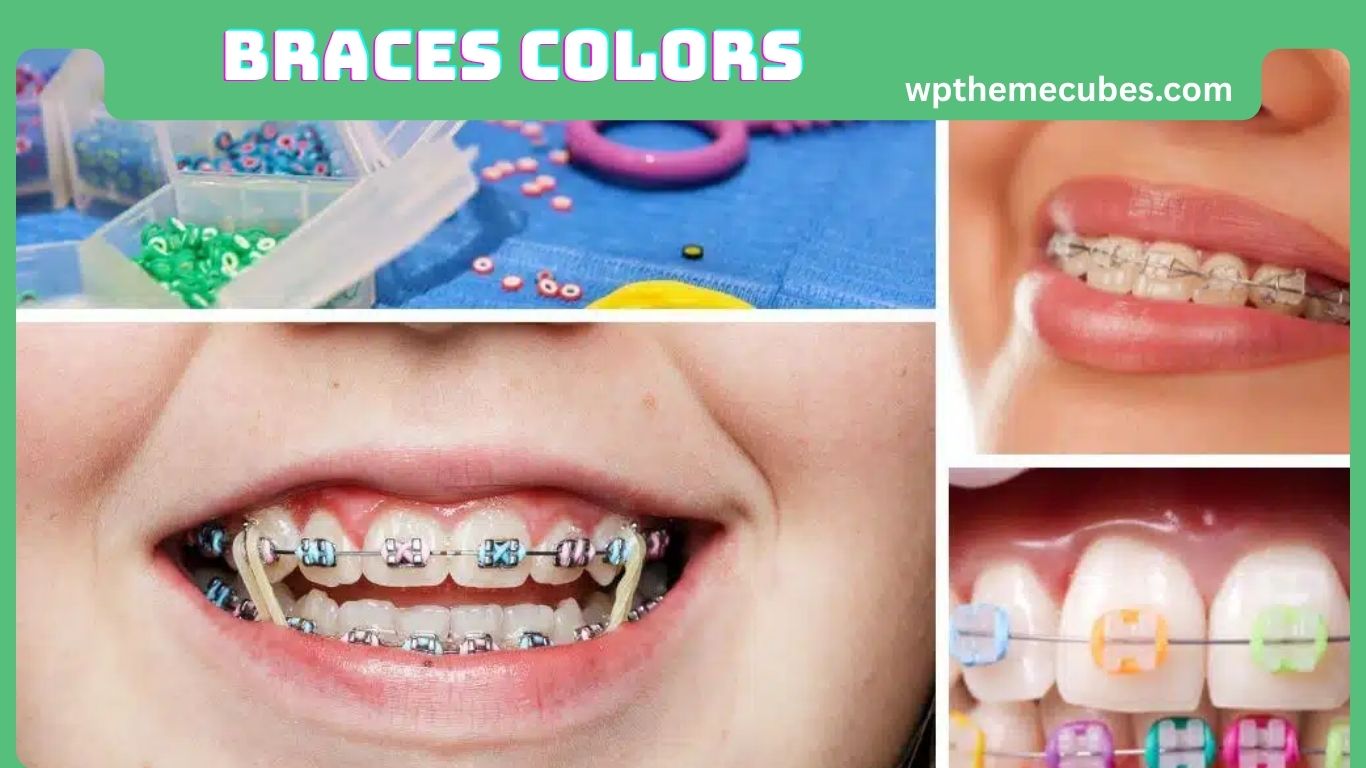
Braces Colors: Best Colors and Combinations for Every Smile
Choosing braces colors is one of the most enjoyable parts of wearing traditional braces. While braces are designed to straighten teeth and improve bite alignment, colored elastic bands can also let you express your personality. You can choose soft shades for a subtle appearance, bright colors for a bold look, or combinations that match holidays, school events, sports teams, or special occasions.
The best braces colors depend on your personal style, skin tone, daily habits, and the look you want. For fair or light skin tones, soft colors such as light blue, lavender, baby pink, silver, and clear can be attractive choices. However, there is no strict rule. Any color can work if you like it and feel confident wearing it.
This guide explains the most popular braces colors, color combinations, choices for different skin tones, colors for adults and teens, staining concerns, and practical tips for choosing your next braces color.
What Are Braces Colors?
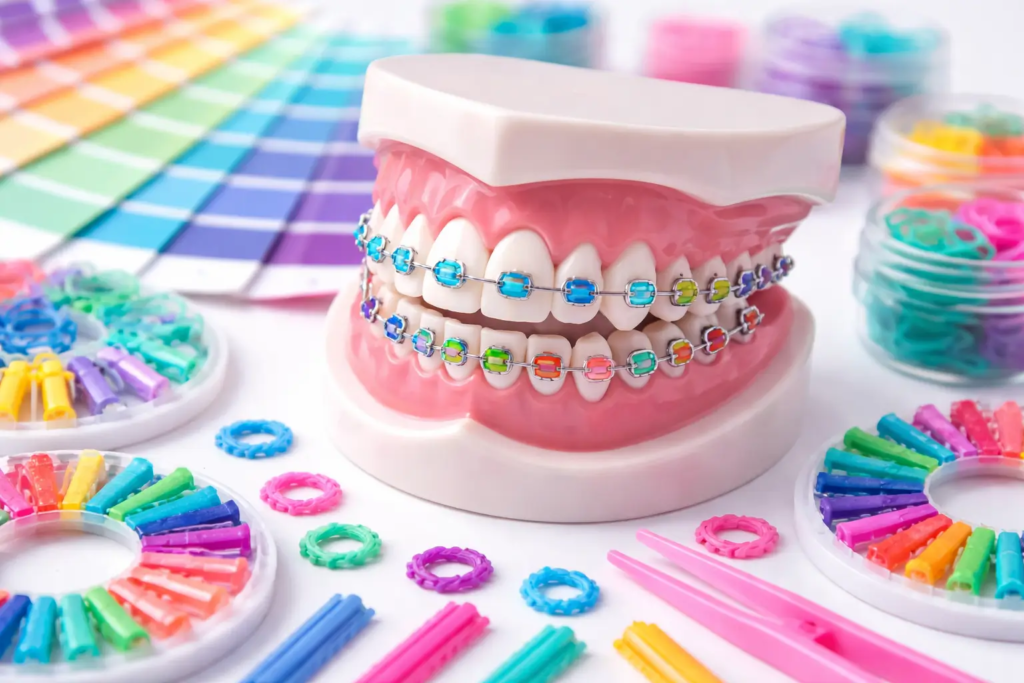
Braces colors usually refer to the small elastic ligatures placed around the brackets of traditional metal braces. These elastic bands help hold the orthodontic wire against the brackets.
The brackets and archwire do the main work of moving teeth. The colored elastics mainly provide a way to personalize the appearance of braces.
At adjustment appointments, your orthodontist may replace the old elastic ligatures with new ones. This gives you an opportunity to select a different color.
Depending on the orthodontic system used, not every patient will have the same color choices. Some braces use clips or other systems instead of traditional colored elastics.
How Do Braces Colors Work?
Colored braces work through the elastic ligatures attached around orthodontic brackets. The elastic holds the archwire in position while the orthodontist uses the braces system to apply controlled forces to the teeth.
The color itself does not normally affect how quickly your teeth move.
For example, choosing blue instead of purple does not make treatment faster or slower. Your treatment progress depends on your orthodontic plan, tooth movement, bite concerns, appliance type, and how well you follow your orthodontist’s instructions.
Because elastic ligatures can be replaced, braces colors can change throughout treatment.
Best Braces Colors for Fair or Light Skin Tones
People with fair or light skin tones often have many attractive options. Soft and cool shades can create a gentle appearance without making the braces look too strong.
Popular choices include:
Also Read:Glorvix.com: Complete Guide to SEO Services and AI Search Visibility
- Light blue
- Lavender
- Baby pink
- Soft purple
- Silver
- Clear
- Pale pink
- Sky blue
Light blue can give braces a clean and fresh look. Lavender offers a soft appearance, while baby pink can create a delicate style.
Silver and clear are good choices if you want something more subtle.
However, skin tone should only be a guide. If you have fair skin and prefer bright red, dark blue, or another strong color, there is no orthodontic reason you cannot choose it.
Best Braces Colors for Medium Skin Tones
Medium skin tones can work well with both light and darker braces colors.
Some good choices include:
- Royal blue
- Navy blue
- Purple
- Teal
- Pink
- Coral
- Green
- Silver
Royal blue can provide noticeable contrast, while navy blue gives a more understated appearance.
Purple is another flexible option because it can look both colorful and sophisticated.
Teal is useful if you want something different from traditional blue or green.
Color combinations can also work well. For example, teal and silver or blue and purple can create an attractive balance.
Best Braces Colors for Dark Skin Tones
Dark skin tones can pair especially well with bright, rich, and jewel-toned colors.
Popular choices include:
- Royal blue
- Turquoise
- Emerald green
- Purple
- Magenta
- Bright pink
- Gold
- Orange
Royal blue can create strong contrast and make the braces stand out. Turquoise offers a bright but balanced appearance.
Purple and magenta can create a more colorful look, while emerald green can provide a rich appearance.
Again, these are suggestions rather than rules. Your favorite color should always be part of the decision.
Best Braces Colors for Girls
Braces colors are not limited by gender, so girls can choose any shade they enjoy.
Some popular combinations include:
- Pink and purple
- Baby pink and light blue
- Lavender and silver
- Teal and pink
- Purple and blue
- Pink and silver
- Rainbow colors
Pastel shades can provide a soft appearance, while bright pink, purple, and teal can create a more noticeable style.
You can also use one color on every bracket or alternate two colors across the smile.
Best Braces Colors for Boys
Boys can choose any braces colors they prefer. There is no medical difference between color choices based on gender.
Common options include:
- Navy blue
- Royal blue
- Dark green
- Teal
- Purple
- Silver
- Red
- Orange
- Black
Blue is a popular choice because it works well with many clothing styles.
Navy gives a more subtle appearance, while royal blue provides more contrast.
Sports fans may also choose colors inspired by their favorite team.
Best Braces Colors for Adults
Adults often prefer colors that fit professional and everyday settings.
Good choices can include:
- Silver
- Clear
- Light blue
- Navy blue
- Dark purple
- Gray
- Teal
- Soft pink
Silver is a classic option because it naturally works with metal braces.
Also Read:Cloud Connected Audio: Complete Guide to How It Works
Clear elastics can create a subtle appearance, although they may show staining more clearly.
Navy and dark purple can add some personality while remaining relatively understated.
If you work in a professional environment, neutral or darker shades may be easier to coordinate with your clothes.
Most Popular Braces Colors and Combinations
Some braces colors remain popular because they are easy to match and work with many different styles.
Popular single colors include:
- Blue
- Purple
- Pink
- Silver
- Teal
- Green
- Red
- Clear
- Navy
- Lavender
Popular combinations include blue and silver, purple and pink, teal and blue, pink and light blue, and navy and silver.
Two-color combinations can make braces look more intentional without becoming too busy.
If you want a stronger look, you can choose three or more colors or ask your orthodontic team whether a rainbow pattern is possible.
Braces Colors for Holidays, Sports, and School
Braces colors can be changed to match special occasions.
For Valentine’s Day, red, pink, and purple can create a festive combination.
For St. Patrick’s Day, green and silver are popular choices.
For Halloween, orange and purple can create a seasonal appearance.
During winter holidays, red, green, silver, or blue may work well.
Students can also choose school colors for sports seasons, homecoming, graduation, or spirit events.
Sports fans can select colors inspired by their favorite team. Your orthodontist may not have an exact match, but similar shades are often available.
What Braces Colors Make Teeth Look Whiter?
Some braces colors can create the visual impression of brighter teeth through contrast.
Darker blue, navy, and purple shades are often popular for this reason.
However, braces colors do not actually whiten your teeth. They only affect how the teeth and braces appear together.
Oral hygiene is much more important for maintaining a healthy-looking smile. Brushing, flossing, professional dental care, and limiting staining foods and drinks can help keep your teeth clean during orthodontic treatment.
If your teeth have natural discoloration, changing braces colors will not correct the underlying issue.
What Braces Colors Should You Avoid?
There is no universal list of braces colors that everyone should avoid. The best choice depends on your preferences and lifestyle.
However, very light colors may show staining more easily.
Clear, white, and pale elastics can become less bright after exposure to certain foods and drinks.
Some people also avoid colors that may make food particles around brackets more noticeable.
If staining concerns you, darker shades such as navy blue or dark purple may be easier to maintain visually.
Your orthodontist can also recommend colors based on the specific elastic material used in their office.
Do Braces Colors Stain?
Yes, some elastic ligatures can change appearance during treatment.
Clear and very light-colored elastics can make staining easier to see. Foods and beverages with strong pigments may affect their appearance.
Coffee, tea, and some other drinks can contribute to staining. Maintaining good oral hygiene can help keep your smile and braces looking cleaner.
The amount of color change depends on the elastic material, your diet, oral hygiene, and the time between appointments.
If you are concerned about staining, ask your orthodontist which colors tend to remain visually consistent for the type of elastics they use.
How to Keep Braces Colors Looking Clean
Good oral hygiene is one of the best ways to keep your braces looking neat.
Brush carefully around the brackets and gumline. Use fluoride toothpaste and clean between your teeth as recommended by your dentist or orthodontist.
Flossing is also important because food can collect around brackets and wires.
You should also follow your orthodontist’s food instructions. Hard and sticky foods can damage braces, while poor cleaning can allow plaque to build up around the brackets.
Regular orthodontic appointments also allow the dental team to check your braces and replace colored elastics when needed.
How Often Can You Change Braces Colors?
You can usually change colored elastic ligatures when your orthodontist replaces them during an adjustment appointment.
The exact schedule depends on your treatment plan. Some patients may have appointments every several weeks, while the timing can change throughout treatment.
If you have an upcoming event, such as graduation, a wedding, birthday, or major sports event, you can ask your orthodontist whether your appointment schedule allows you to choose colors specifically for that occasion.
Do not try to remove or replace orthodontic elastics yourself unless your orthodontist tells you to do so.
How to Choose the Best Braces Colors for Your Smile
Choosing braces colors becomes easier when you consider a few simple factors.
Also Read:Pasonet: Meaning, Uses, Benefits, and Digital Connectivity Guide
First, think about your personal style. If you like bright clothing, you may enjoy bright braces colors. If you prefer neutral clothing, silver, navy, clear, or dark purple may fit your style better.
Second, consider your skin tone if you want colors that complement it. Fair or light skin can work well with soft shades such as light blue, lavender, baby pink, silver, and clear.
Third, consider your daily habits. If you drink coffee or tea regularly, very light elastics may require more attention because staining can be easier to see.
Finally, remember that braces colors are temporary. You do not have to make one choice for the entire treatment period. You can try different colors at future appointments.
Frequently Asked Questions About Braces Colors
Can I choose two different braces colors at the same time?
Many orthodontic offices allow patients to choose two or more colors for traditional braces with elastic ligatures. You can alternate the colors across the brackets or create a specific pattern. The exact options depend on your orthodontist and the braces system you have.
Do braces colors look the same on every person?
No. The same elastic color can look slightly different depending on lighting, tooth color, skin tone, bracket material, and the surrounding colors. A shade that looks one way on a sample card may appear somewhat different once placed on your teeth.
Can I get rainbow braces colors?
Some orthodontic offices allow patients to choose several colors and create a rainbow pattern.
You can use different colors across the brackets or choose a smaller number of shades for a more balanced look. Ask your orthodontic team what color combinations are available.
Can I choose braces colors for a wedding or graduation?
Yes, if your adjustment appointment is close enough to the event, you may be able to choose colors that match the occasion.
Silver, clear, lavender, pale pink, school colors, or other coordinated shades can work well for photographs and special events.
Can braces colors damage my teeth?
The color of an orthodontic elastic does not normally damage teeth. However, maintaining good oral hygiene is essential during orthodontic treatment.
Plaque can collect around brackets, so brushing, flossing, regular dental care, and following your orthodontist’s instructions are important for protecting your teeth and gums.
Conclusion
Braces colors make orthodontic treatment more personal and give patients an easy way to express their style. From soft light blue, lavender, baby pink, silver, and clear shades to bold royal blue, purple, teal, and bright pink, there are many choices for different preferences.
Fair or light skin tones can look great with soft colors, while medium and dark skin tones can work well with both subtle and bold shades. Adults may prefer professional-looking colors such as silver, navy, or dark purple, while children and teenagers may enjoy bright combinations, school colors, holiday themes, or rainbow patterns.
The most important point is that there is no single best braces color. Choose a shade that makes you feel comfortable and confident while also considering staining, your lifestyle, and the colors available from your orthodontic office.
Regardless of your color choice, proper oral hygiene, safe food choices, regular appointments, and following your orthodontist’s instructions should remain the top priorities throughout treatment.