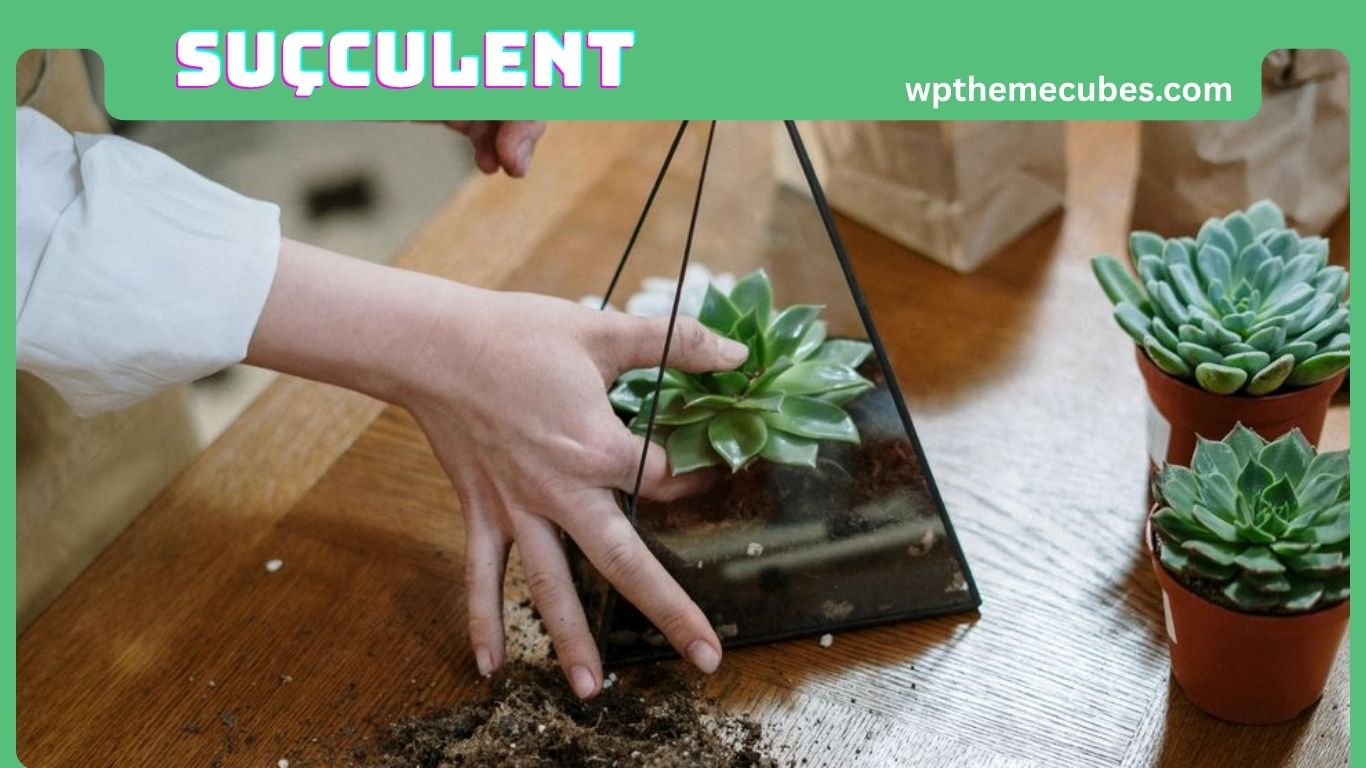
Suçculent: The Complete Beginner’s Guide to Growing Healthy Succulent Plants
Succulent plants, sometimes mistakenly searched online as “suçculent,” are among the most popular houseplants in the world. Their unique appearance, low maintenance needs, and ability to survive in dry environments have made them favorites for beginners and experienced gardeners alike.
If you searched for “suçculent,” you are likely looking for information about succulent plants. While the spelling “suçculent” is uncommon, it refers to the same fascinating group of plants known for storing water in their leaves, stems, or roots.
Succulents have evolved special water-storage tissues as an adaptation to deserts, semi-deserts, rocky landscapes, and other dry regions. This remarkable survival strategy allows them to thrive where many other plants cannot.
Today, succulents are grown worldwide as indoor plants, outdoor landscape features, decorative centerpieces, office plants, wedding decorations, and even living art.
This complete guide explains everything you need to know about suçculent plants, including their history, biology, types, care, propagation, common problems, benefits, myths, and expert growing tips.
What Is Suçculent?
The keyword “suçculent” generally refers to succulent plants.
A succulent is a plant that stores water inside specialized tissues. These water reserves are usually found in:
- Thick leaves
- Swollen stems
- Enlarged roots
Unlike ordinary plants that require frequent watering, succulents survive long dry periods because they store moisture for later use.
This natural adaptation developed over millions of years in regions with limited rainfall.
Rather than depending on regular rain, succulents collect water when it is available and slowly use it during drought conditions.
This makes them among nature’s most efficient plants.
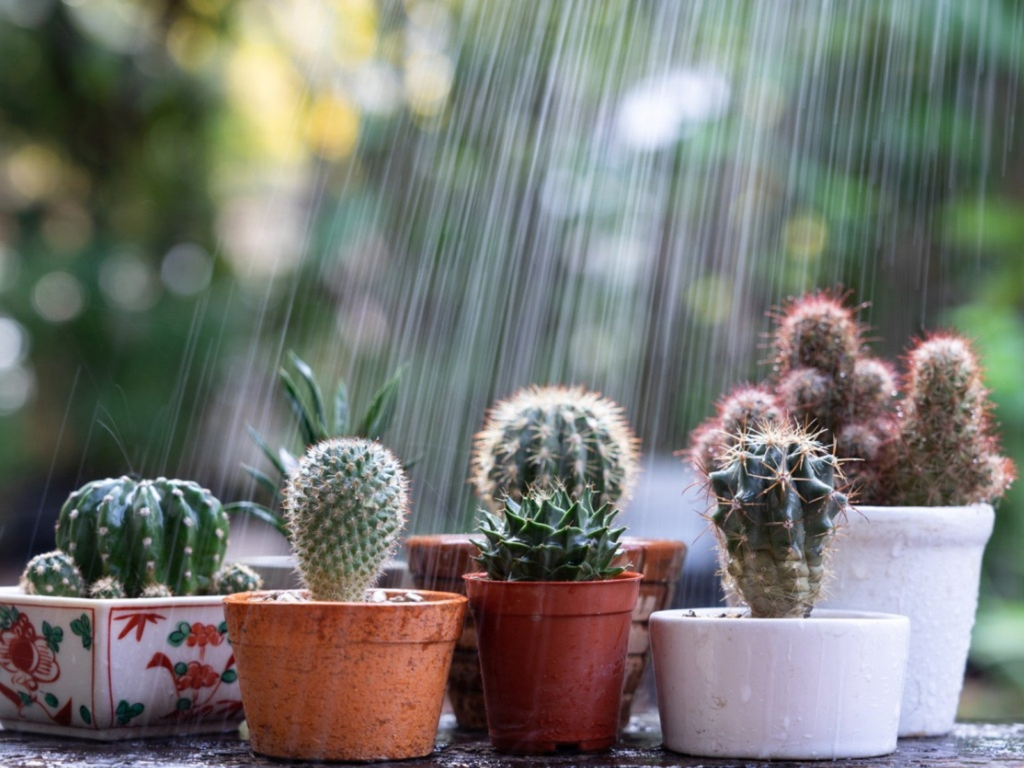
What Makes a Plant a Succulent?
Many people think every cactus is a succulent.
Actually:
- Every cactus is a succulent.
- Not every succulent is a cactus.
The defining characteristic of a succulent is water storage.
Plants become succulent because they evolved to survive harsh environments where rainfall is unpredictable.
Water may be stored in:
- Leaves
- Stems
- Roots
- Underground bulbs
The stored water keeps the plant alive during long dry periods.
How Succulents Adapt to Dry Climates
Succulents are among the best examples of plant evolution.
Also Read:Louisa Kochansky: Complete Biography, Career, Background & Latest Facts
Several adaptations help them survive.
Thick Leaves
Leaves become fleshy because they contain water-filled cells.
Examples include:
- Echeveria
- Jade Plant
- Aloe Vera
Thick Stems
Some species store most of their water inside stems.
Examples include:
- Cactus
- Euphorbia
Waxy Coating
Many succulents have a waxy layer that reduces water loss.
This protective coating also shields them from intense sunlight.
Compact Growth
Small, compact leaves reduce evaporation.
Many species grow close together to create shade for themselves.
CAM Photosynthesis
Unlike most plants, many succulents open tiny pores at night instead of during the day.
This process is called CAM photosynthesis.
By opening pores during cooler nighttime temperatures, the plant loses much less water.
This is one of the greatest survival strategies in the plant kingdom.
Where Do Succulents Grow Naturally?
Succulents are found across the globe.
Major regions include:
- Southern Africa
- Mexico
- Arizona
- California
- South America
- Madagascar
- Australia
- Arabian Peninsula
Although deserts are their most famous habitat, many succulents also grow in:
- Mountain cliffs
- Coastal regions
- Forest edges
- Rocky hillsides
Different species have adapted to different climates.
The History of Succulent Plants
Succulents have existed for millions of years.
Scientists believe they gradually evolved as Earth’s climate became drier in many regions.
Ancient civilizations admired succulents for both practical and decorative purposes.
For example:
- Aloe Vera was used in ancient Egypt.
- Agave was important in ancient Mexico.
- Various Euphorbia species appeared in traditional African medicine.
Today, succulents are grown in nearly every country.
Most Popular Types of Suçculent Plants
There are more than 10,000 succulent species worldwide.
Some of the most popular include:
Aloe Vera
Known for its medicinal gel.
Excellent indoor plant.
Needs bright sunlight.
Jade Plant
A symbol of prosperity in many cultures.
Can live for decades.
Produces thick green leaves.
Echeveria
Famous for beautiful rose-shaped leaves.
Available in dozens of colors.
Perfect for decorative arrangements.
Haworthia
Small and beginner-friendly.
Excellent for desks and apartments.
Requires little care.
Sedum
A fast-growing succulent.
Often used as ground cover.
Many cold-hardy varieties exist.
Crassula
Includes many attractive ornamental plants.
Easy to propagate.
Agave
Large dramatic plants.
Often used in landscaping.
Some species can live for decades before flowering.
Lithops
Known as “Living Stones.”
They mimic rocks to avoid animals.
One of nature’s most fascinating plants.
String of Pearls
Produces long trailing vines.
Perfect for hanging baskets.
Looks unique in indoor gardens.
Zebra Plant
Recognized by white stripes.
Small and slow growing.
Popular among beginners.
Succulents vs Cacti
Many people confuse these two groups.
| Succulents | Cacti |
| Store water | Store water |
| May have leaves | Usually leafless |
| May not have spines | Usually have spines |
| Huge variety | Subgroup of succulents |
| Many plant families | One plant family |
The biggest difference is that cacti have specialized structures called areoles, while most other succulents do not.
Benefits of Growing Suçculent Plants
Succulents offer more than beauty.
Easy Maintenance
They require less watering than most houseplants.
Excellent for Beginners
Simple care makes them ideal for new gardeners.
Attractive Designs
They come in hundreds of colors and shapes.
Long Lifespan
Many species live for decades.
Space Saving
Most varieties stay compact.
Home Decoration
Succulents enhance:
- Offices
- Bedrooms
- Kitchens
- Living rooms
- Patios
Educational Value
Growing succulents teaches children about:
- Plant biology
- Water conservation
- Nature
- Gardening
Choosing the Right Suçculent
Before buying a succulent, consider:
- Indoor or outdoor location
- Available sunlight
- Temperature
- Humidity
- Pot size
- Growth speed
Beginners often succeed with:
- Aloe Vera
- Jade Plant
- Haworthia
- Echeveria
- Zebra Plant
How to Plant Succulents
Proper planting improves long-term health.
Choose the Right Pot
Pots should have drainage holes.
Terracotta pots are often preferred because they allow soil to dry faster.
Use Well-Draining Soil
Succulents dislike soggy roots.
Good soil usually contains:
- Sand
- Perlite
- Gravel
- Potting mix
Plant Carefully
Avoid burying leaves beneath the soil.
Keep the crown above the soil surface.
Watering Succulents Correctly
Overwatering is the number one reason succulents die.
Instead of watering on a schedule:
- Check soil moisture.
- Water deeply.
- Allow soil to dry completely.
Typical watering frequency:
Summer:
Every 1–2 weeks
Winter:
Every 3–4 weeks
Always adjust based on climate.
Also Read:SparkPressFusion Com: Complete Guide to Smarter Content Management
Sunlight Requirements
Most succulents enjoy bright light.
Ideal conditions include:
- 6–8 hours of sunlight
- Bright indoor windows
- South-facing windows
Too little light causes stretching.
Too much sudden sunlight may cause leaf burn.
Best Temperature for Succulents
Most indoor succulents prefer:
Day:
65–80°F
Night:
50–60°F
Protect them from frost unless growing cold-hardy species.
Fertilizing Succulents
Succulents require little fertilizer.
Feed:
- Once during spring
- Once during summer
Use diluted succulent fertilizer.
Avoid fertilizing during winter dormancy.
Propagating Succulents
One of the most exciting parts of growing succulents is propagation.
Methods include:
Leaf Propagation
Many species grow entirely new plants from single leaves.
Stem Cuttings
Cut healthy stems.
Allow cuts to dry.
Plant after several days.
Offsets
Many mature plants produce baby plants.
Separate them carefully.
Seeds
Growing from seed takes patience but offers more variety.
Common Problems
Root Rot
Usually caused by overwatering.
Leggy Growth
Caused by insufficient sunlight.
Mushy Leaves
A sign of excess moisture.
Wrinkled Leaves
Usually indicate underwatering.
Brown Spots
Can result from sunburn or disease.
Early diagnosis prevents serious damage.
Common Pests
Watch for:
- Mealybugs
- Spider mites
- Aphids
- Scale insects
- Fungus gnats
Inspect plants regularly.
Healthy growing conditions naturally reduce pest problems.
Indoor vs Outdoor Succulents
Indoor plants enjoy controlled conditions.
Outdoor plants receive natural sunlight and airflow.
Indoor advantages:
- Year-round beauty
- Easier temperature control
- Fewer weather risks
Outdoor advantages:
- Faster growth
- Better coloration
- Larger size
Choose according to your climate.
Creative Ways to Display Succulents
Succulents fit nearly any decorating style.
Ideas include:
- Hanging planters
- Terrariums
- Rock gardens
- Wooden boxes
- Ceramic bowls
- Vertical gardens
- Wall art
- Wedding centerpieces
Their compact size makes them extremely versatile.
Seasonal Care Guide
Spring
Growth begins.
Increase watering gradually.
Repot if needed.
Summer
Peak growing season.
Monitor sunlight.
Water when soil dries.
Autumn
Growth slows.
Reduce fertilizer.
Prepare outdoor plants for cooler weather.
Winter
Many species become dormant.
Water much less.
Protect from freezing temperatures.
Are Succulents Safe Around Pets?
Some succulents are pet-safe.
Others may be toxic.
Examples of generally pet-friendly options include:
- Haworthia
- Certain Echeveria species
Potentially toxic plants include:
- Jade Plant
- Aloe Vera
- Euphorbia
Always identify your specific plant before placing it where pets can reach it.
Environmental Importance of Succulents
Succulents contribute to sustainable gardening.
Benefits include:
- Reduced water use
- Drought-resistant landscaping
- Less maintenance
- Support for pollinators in flowering species
- Lower gardening costs
As water conservation becomes more important, succulents continue growing in popularity.
Why Succulents Continue to Grow in Popularity
Several trends explain their success.
People appreciate:
- Easy care
- Modern appearance
- Affordable prices
- Small space requirements
- Wide variety
- Social media appeal
- DIY projects
- Long lifespan
These qualities make succulents one of today’s most recommended houseplants.
Expert Tips for Growing Healthy Suçculent Plants
Experienced growers often follow simple but effective practices.
Never water based only on the calendar. Instead, check whether the soil is completely dry before watering again. This habit prevents root rot, which is the most common cause of succulent failure.
Rotate indoor plants every few weeks so all sides receive equal sunlight. This encourages balanced growth and prevents leaning.
Use containers with drainage holes whenever possible. Decorative pots without drainage may trap excess moisture around the roots.
Clean dust from leaves occasionally with a soft brush or cloth. Cleaner leaves absorb more sunlight and improve the plant’s appearance.
Repot only when necessary. Most succulents enjoy being slightly root-bound and do not need frequent transplanting.
Observe your plants regularly. Changes in leaf color, texture, or shape often provide early warning signs that watering, lighting, or temperature needs adjustment.
Common Myths About Suçculent Plants
Several misconceptions continue to circulate online.
Myth 1: Succulents Never Need Water
False. Although they tolerate drought, they still require water to grow and stay healthy.
Myth 2: All Succulents Need Full Desert Sun
False. Some species prefer bright indirect light, especially when grown indoors.
Myth 3: Every Succulent Is a Cactus
False. Cacti are only one branch of the much larger succulent group.
Also Read:Bumetro: The Complete Guide to the Smart Mobility Platform
Myth 4: Succulents Cannot Grow Indoors
False. Many varieties thrive inside homes with enough natural light.
Myth 5: Succulents Grow Very Slowly Forever
Not always. Growth speed depends on the species, climate, light, and overall care.
Future Trends in Succulent Gardening
Interest in succulents continues to expand as more homeowners seek low-maintenance plants. New hybrid varieties offer unique colors, compact forms, and improved adaptability for indoor environments.
Sustainable landscaping is also increasing demand for drought-tolerant plants. Communities in water-limited regions are replacing traditional lawns with succulent gardens that require significantly less irrigation.
Technology is also influencing plant care. Smart moisture sensors, LED grow lights, and mobile gardening apps make it easier than ever for beginners to grow healthy succulents successfully.
Conclusion
Whether you searched for “suçculent” or “succulent,” these remarkable plants represent one of nature’s greatest survival stories. Their ability to store water in thickened leaves, stems, or roots has allowed them to flourish in some of the harshest environments on Earth.
Beyond their natural adaptations, succulents offer beauty, simplicity, and versatility. They fit comfortably into homes, offices, gardens, and modern landscapes while requiring relatively little maintenance compared to many traditional houseplants.
By understanding their natural habitat and providing well-draining soil, appropriate sunlight, and careful watering, anyone can enjoy thriving succulents for many years. As interest in sustainable gardening and water-wise landscaping continues to grow, succulents are likely to remain among the most popular plants for both beginners and experienced gardeners alike.
FAQs
Is “suçculent” the same as succulent?
Yes. “Suçculent” is generally a misspelling or alternative search spelling of “succulent.” Both refer to water-storing plants.
How long do succulents live?
Many succulents live between 5 and 50 years, depending on the species and care. Some can survive even longer.
Can succulents survive without direct sunlight?
Some species tolerate bright indirect light, but most grow best with several hours of bright light each day.
Why are my succulent leaves falling off?
Leaf drop may result from overwatering, underwatering, sudden temperature changes, or natural aging of lower leaves.
Should I mist my succulent?
No. Most succulents prefer watering the soil directly rather than misting the leaves.
Can succulents grow in regular garden soil?
Regular garden soil often holds too much moisture. A fast-draining succulent or cactus mix is a better choice.
How often should I repot a succulent?
Most succulents only need repotting every two to three years or when they outgrow their container.