PLG Supplies: A Complete Guide to Educational Learning Tools and Classroom Essentials
Learning is more effective when students, teachers, and educational institutions have access to the right tools. Whether someone is studying at home, teaching in a classroom, or managing an educational organization, quality learning materials play an important role in achieving success. This is where plg supplies become valuable.
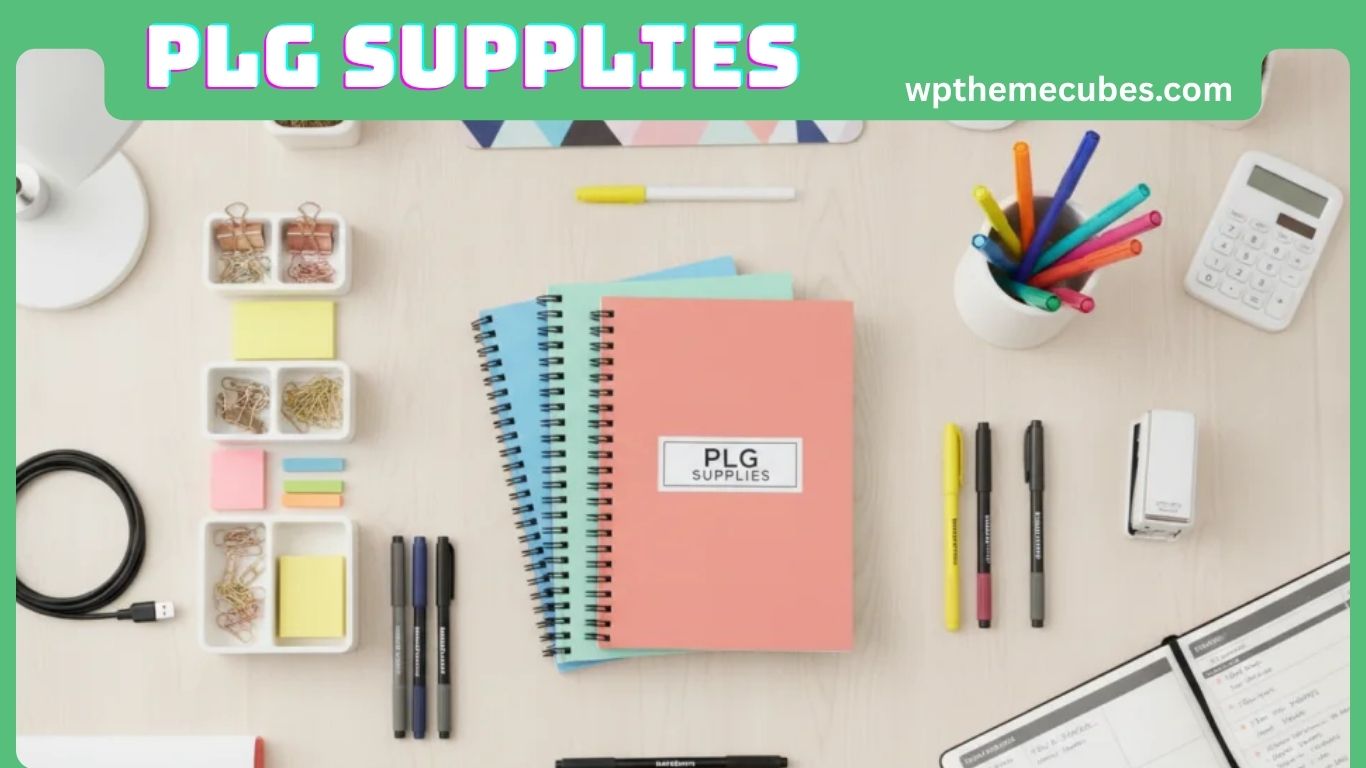
The term plg supplies generally refers to educational products and learning resources designed to support teaching, studying, creativity, classroom management, and academic development. These supplies include everyday classroom essentials such as notebooks, pens, and pencils, as well as specialized laboratory equipment, educational charts, project materials, and teaching aids.
Today, education continues to evolve with technology, but traditional learning supplies remain just as important. Schools combine printed materials with digital tools to create engaging learning experiences. As a result, the demand for reliable, durable, and affordable educational supplies continues to grow across schools, colleges, universities, libraries, tutoring centers, and home learning environments.
This guide explains everything you need to know about plg supplies, including their types, benefits, applications, selection tips, and how they contribute to better learning outcomes.
What Are PLG Supplies?
PLG supplies refer to educational materials and classroom resources that help students learn, teachers teach, and institutions deliver effective education. These products cover a wide range of academic needs, from simple writing tools to advanced laboratory equipment.
Although the exact meaning of “PLG” may vary depending on the organization or supplier, the term is commonly associated with products that support learning and educational development.
Typical plg supplies include:
- Textbooks
- Notebooks
- Pens and pencils
- Highlighters
- Markers
- Whiteboards
- Rulers
- Erasers
- Geometry sets
- Art supplies
- Science laboratory equipment
- Educational posters
- Maps
- Flashcards
- Project materials
- Classroom organizers
- Storage solutions
Together, these resources create a productive learning environment where students can develop knowledge, creativity, and practical skills.

Why PLG Supplies Matter in Education
Educational success depends on more than quality teaching. Students also need the proper tools to understand concepts, complete assignments, and participate in classroom activities.
Good learning supplies help improve:
- Student engagement
- Classroom organization
- Writing and note-taking
- Scientific experiments
- Creative thinking
- Team collaboration
- Time management
- Project completion
- Knowledge retention
Without the proper materials, even the best educational programs may struggle to achieve their goals.
Main Categories of PLG Supplies
Educational supplies can be divided into several categories depending on their purpose.
Writing Supplies
Writing materials are among the most frequently used educational tools.
Also Read:Veneajelu: A Complete Guide to Finland’s Peaceful Boating Tradition
Common examples include:
- Ballpoint pens
- Gel pens
- Fountain pens
- Mechanical pencils
- Wooden pencils
- Colored pencils
- Erasers
- Sharpeners
- Correction tape
- Highlighters
These products support note-taking, homework, exams, and classroom activities.
Paper Products
Paper remains essential despite the rise of digital learning.
Popular paper supplies include:
- Notebooks
- Composition books
- Loose-leaf paper
- Graph paper
- Sticky notes
- Index cards
- Drawing paper
- Construction paper
Different paper types serve different educational purposes.
Art and Creative Supplies
Creativity is an important part of education. Art supplies encourage imagination and improve fine motor skills.
Examples include:
- Markers
- Crayons
- Paint brushes
- Watercolors
- Acrylic paints
- Glue sticks
- Craft paper
- Colored foam sheets
- Clay
- Scissors
- Glitter
- Cardboard
These materials support classroom projects and creative learning.
Mathematics Learning Supplies
Math education requires specialized tools that help students understand measurements, geometry, and calculations.
Essential math supplies include:
- Rulers
- Protractors
- Compasses
- Geometry boxes
- Calculators
- Graph paper
- Measuring tapes
- Math manipulatives
These tools help students visualize mathematical concepts more effectively.
Science Laboratory Supplies
Science education depends heavily on hands-on learning.
Common laboratory supplies include:
- Test tubes
- Beakers
- Measuring cylinders
- Microscopes
- Slides
- Thermometers
- Safety goggles
- Lab coats
- Chemical storage containers
- Experiment kits
Practical experiments improve scientific understanding far more than reading alone.
Teaching Resources
Teachers also rely on educational supplies to organize lessons and improve classroom interaction.
Examples include:
- Whiteboards
- Dry-erase markers
- Bulletin board materials
- Attendance registers
- Lesson planners
- Educational posters
- Flashcards
- Classroom labels
- Reward stickers
These resources make lessons more engaging and easier to manage.
Project and Presentation Materials
School projects help students develop research and communication skills.
Useful project supplies include:
| Supply | Purpose |
| Poster boards | Presentations |
| Foam boards | Science fairs |
| Colored paper | Visual projects |
| Glue | Assembly |
| Tape | Mounting |
| Markers | Labeling |
| Stickers | Decoration |
| Display folders | Professional presentation |
Digital Learning Supplies
Modern education combines traditional materials with technology.
Digital learning supplies include:
- Tablets
- Laptops
- Stylus pens
- Educational software
- Interactive whiteboards
- Headphones
- USB drives
- Online learning subscriptions
These tools support hybrid and remote learning.
Who Uses PLG Supplies?
PLG supplies benefit many different users.
Students
Students use educational supplies every day for:
- Homework
- Classwork
- Exams
- Research
- Projects
- Art activities
Quality materials improve productivity and confidence.
Teachers
Teachers depend on educational resources to create engaging lessons and manage classrooms efficiently.
They use supplies for:
- Lesson planning
- Student assessments
- Classroom decoration
- Interactive activities
- Demonstrations
Schools
Schools purchase plg supplies in bulk to support daily operations.
These include:
- Classroom furniture
- Laboratory equipment
- Library resources
- Office stationery
- Cleaning supplies
- Educational technology
Parents
Parents buy learning materials to help children succeed at home.
Home learning often includes:
- Practice books
- Flashcards
- Reading materials
- Art supplies
- Educational games
Tutoring Centers
Private tutors and coaching institutes require learning materials for small-group instruction.
Benefits of Using High-Quality PLG Supplies
Investing in quality educational materials offers several advantages.
Better Learning Experience
Students stay focused when they have reliable tools.
Broken pencils, poor-quality paper, or faded markers create unnecessary distractions.
Improved Organization
Folders, binders, planners, and storage systems help students keep track of assignments.
Good organization often leads to better academic performance.
Long-Term Cost Savings
Although premium supplies may cost more initially, they often last much longer than cheaper alternatives.
Schools can reduce replacement costs by investing in durable products.
Greater Student Engagement
Interactive learning materials encourage participation.
Colorful charts, hands-on science kits, and educational games make lessons enjoyable.
Supports Different Learning Styles
Students learn differently.
Some learn visually.
Others prefer reading.
Many understand concepts through hands-on activities.
A wide range of plg supplies supports all learning styles.
Essential PLG Supplies for Every Classroom
A well-equipped classroom should include:
Writing Materials
- Pens
- Pencils
- Erasers
- Sharpeners
- Highlighters
Paper Supplies
- Notebooks
- Printer paper
- Sticky notes
- Index cards
Teaching Tools
- Whiteboard
- Markers
- Charts
- Flashcards
Storage Solutions
- Storage bins
- Cabinets
- Shelves
- Label makers
Technology
- Computer
- Projector
- Speakers
- Interactive display
Combining traditional and digital resources creates a balanced learning environment.
How PLG Supplies Support Different Subjects
Different academic subjects require specialized educational tools.
Language Arts
Students need:
- Reading books
- Writing notebooks
- Dictionaries
- Vocabulary flashcards
- Grammar workbooks
Mathematics
Useful supplies include:
- Calculators
- Geometry sets
- Graph paper
- Measuring tools
- Math manipulatives
Science
Learning becomes more effective with:
- Laboratory kits
- Microscopes
- Charts
- Models
- Safety equipment
History and Geography
Teachers often use:
- Maps
- Globes
- Timelines
- Historical posters
- Document collections
Art
Creative subjects require:
- Paints
- Brushes
- Canvas
- Colored paper
- Craft materials
Features to Look for in Quality PLG Supplies
Not every educational product offers the same value. Choosing high-quality plg supplies helps improve both learning outcomes and long-term savings.
Some important features include:
Also Read:Urlwo: What It Is, How It Works, Features, Benefits & Safety Guide
Durability
Supplies used every day should be strong enough to withstand regular handling. Durable notebooks, sturdy rulers, and high-quality binders last much longer than low-cost alternatives.
Safety
Products designed for children should use non-toxic materials and meet recognized safety standards. Rounded edges, washable paints, and child-safe scissors help create a safer learning environment.
Ease of Use
Educational tools should be simple to understand and comfortable to use. Easy-to-read textbooks, smooth-writing pens, and clearly labeled learning charts improve the overall learning experience.
Age Appropriateness
Learning materials should match the student’s age and skill level. Elementary students require different resources than high school or college learners.
Educational Value
The best plg supplies are designed to encourage active learning, critical thinking, creativity, and practical problem-solving rather than simply completing assignments.
Traditional vs. Digital PLG Supplies
Today’s classrooms often combine physical materials with digital resources. Both have unique strengths and work best when used together.
| Traditional Supplies | Digital Supplies |
| Printed textbooks | E-books |
| Notebooks | Note-taking apps |
| Pens and pencils | Stylus pens |
| Whiteboards | Interactive smart boards |
| Flashcards | Learning apps |
| Paper worksheets | Digital assignments |
| Physical maps | Online maps |
Instead of replacing traditional tools, digital resources often enhance the learning process by adding flexibility, accessibility, and interactive experiences.
The Growing Importance of PLG Supplies in Modern Education
Education has changed significantly over the past decade, but one thing remains constant: students learn best when they have access to the right resources. As classrooms become more collaborative, project-based, and technology-driven, the role of plg supplies continues to expand.
Today’s educational environments are no longer limited to textbooks and notebooks. Schools now combine physical learning materials with digital tools to create engaging experiences that support different learning styles and prepare students for future academic and career success.
With growing emphasis on STEM education, creative thinking, and hands-on learning, investing in quality educational supplies has become more important than ever.
How to Choose the Best PLG Supplies
Selecting the right educational materials is about more than buying the least expensive products. Quality, usability, safety, and long-term value all play a role in creating an effective learning environment.
Before purchasing plg supplies, consider the following factors.
Understand Your Learning Needs
Start by identifying who will use the supplies.
Different users have different requirements.
For example:
- Elementary students need colorful, easy-to-use materials.
- Middle school students require more advanced learning tools.
- High school students often need scientific calculators, laboratory equipment, and subject-specific resources.
- College students benefit from durable notebooks, planners, and digital accessories.
- Teachers may need classroom organization tools, lesson planning materials, and instructional aids.
Buying supplies that match the learner’s age and educational level helps avoid unnecessary expenses.
Focus on Product Quality
Well-made educational products generally last longer and perform better.
Look for supplies that offer:
- Durable construction
- Comfortable design
- Reliable performance
- Smooth writing experience
- Strong binding on notebooks
- Clear printing on textbooks and charts
- High-quality materials
Choosing quality products reduces the need for frequent replacements.
Compare Cost and Value
The lowest price is not always the best deal.
Instead, compare the overall value by considering:
- Product lifespan
- Material quality
- Warranty (if applicable)
- Customer reviews
- Brand reputation
A slightly higher upfront investment often saves money over time.
Buy from Trusted Educational Suppliers
Reliable suppliers usually provide consistent product quality, better customer service, and a wider range of educational resources.
When choosing a supplier, consider:
- Product variety
- Shipping options
- Return policies
- Customer support
- Bulk purchasing discounts
- Educational expertise
Schools and educational institutions often build long-term relationships with dependable suppliers to simplify future purchases.
How Schools Can Manage PLG Supplies Efficiently
Managing educational supplies becomes more challenging as the number of students grows.
Effective inventory management helps schools reduce waste while ensuring classrooms remain fully equipped.
Some best practices include:
Maintain an Inventory System
Track supplies using inventory software or spreadsheets.
Record:
- Product names
- Quantities
- Purchase dates
- Storage locations
- Reorder levels
Regular inventory checks prevent shortages.
Store Supplies Properly
Proper storage protects educational materials from damage.
Helpful storage solutions include:
- Labelled containers
- Shelving systems
- Lockable cabinets
- Plastic storage bins
- Mobile classroom carts
Good organization also makes supplies easier to find.
Monitor Usage
Schools should monitor how quickly supplies are used.
This information helps:
- Predict future demand
- Reduce unnecessary purchases
- Plan annual budgets
- Prevent shortages during the school year
Creating an Effective Learning Environment with PLG Supplies
Educational supplies are only one part of successful learning. How they are used also matters.
Teachers can maximize their value by:
- Organizing supplies before lessons
- Encouraging responsible use
- Rotating learning materials
- Using visual teaching aids
- Including hands-on activities
- Supporting collaborative learning
A well-prepared classroom creates a more enjoyable and productive educational experience.
PLG Supplies for Home Learning
Home education has become increasingly common.
Parents can create an effective learning space by including essential plg supplies such as:
- Comfortable study desk
- Quality chair
- Notebooks
- Pens and pencils
- Highlighters
- Reading books
- Educational games
- Art supplies
- Science experiment kits
- Calculator
- Storage organizers
Keeping these materials in one dedicated study area helps children stay focused.
PLG Supplies for STEM Education
STEM (Science, Technology, Engineering, and Mathematics) programs require specialized educational resources.
Common STEM supplies include:
- Robotics kits
- Coding boards
- Engineering building blocks
- Science experiment kits
- Microscopes
- Electronic circuit kits
- 3D printing materials
- Measuring equipment
These resources encourage experimentation, innovation, and problem-solving.
Supporting Inclusive Education with PLG Supplies
Modern classrooms serve students with different learning abilities and needs.
Inclusive educational supplies help ensure every learner can participate.
Examples include:
- Large-print books
- Adaptive writing tools
- Braille materials
- Visual learning charts
- Audio learning resources
- Ergonomic classroom furniture
- Sensory learning products
Inclusive classrooms benefit from flexible learning materials that support all students.
Eco-Friendly PLG Supplies
Sustainability is becoming an important consideration in education.
Many schools now choose environmentally friendly educational products.
Examples include:
- Recycled notebooks
- Refillable pens
- Bamboo rulers
- FSC-certified paper
- Rechargeable markers
- Reusable storage containers
- Eco-friendly glue
These products reduce waste while teaching students the importance of environmental responsibility.
Common Mistakes to Avoid When Buying PLG Supplies
Many buyers make purchasing mistakes that increase costs or reduce educational value.
Avoid these common problems.
Buying Only Based on Price
Cheap products may wear out quickly, requiring frequent replacement.
Ignoring Product Quality
Poor-quality supplies often lead to frustration and reduced productivity.
Purchasing Without Planning
Buying random supplies without a checklist can result in duplicate purchases or missing essentials.
Choosing the Wrong Age Level
Educational materials should always match the learner’s abilities.
Ignoring Safety Standards
Products for younger children should always meet appropriate safety requirements.
Future Trends in PLG Supplies
Education continues to evolve, and learning supplies are evolving with it.
Some emerging trends include:
Smart Learning Tools
Interactive devices, digital pens, and AI-assisted educational platforms are becoming more common.
Hybrid Learning Solutions
Schools increasingly combine printed resources with online learning systems.
Personalized Learning Materials
Educational products are being designed to match individual learning styles and skill levels.
Sustainable Products
Demand for environmentally responsible school supplies continues to grow.
Interactive Educational Resources
Hands-on learning kits, augmented reality tools, and digital simulations are helping students better understand complex subjects.
These trends suggest that future plg supplies will combine traditional learning with innovative technologies to create more engaging educational experiences.
Tips for Getting the Most Value from PLG Supplies
Whether purchasing supplies for a single student or an entire school, these strategies can maximize value:
Also Read:Trucofax: A Complete Guide to Practical Insights for Better Decisions
- Create a shopping checklist before buying.
- Purchase durable products whenever possible.
- Buy frequently used items in bulk.
- Store supplies properly to extend their lifespan.
- Encourage students to care for their materials.
- Replace damaged items before they affect learning.
- Review inventory regularly.
- Invest in versatile products that can be used across multiple subjects.
Small improvements in purchasing and organization can lead to significant long-term savings.
Why Quality PLG Supplies Improve Academic Success
Research and classroom experience consistently show that students perform better when they have access to appropriate learning materials.
Quality plg supplies help by:
- Improving classroom participation
- Supporting independent learning
- Increasing student confidence
- Encouraging creativity
- Making lessons more interactive
- Reducing classroom disruptions
- Helping teachers deliver more organized instruction
While educational supplies alone cannot guarantee academic success, they create the foundation for effective teaching and meaningful learning.
Frequently Asked Questions About PLG Supplies
What are PLG supplies used for?
PLG supplies are used to support teaching and learning in schools, colleges, universities, tutoring centers, and home education. They include writing materials, textbooks, laboratory equipment, classroom resources, and project supplies.
Who should purchase PLG supplies?
Students, parents, teachers, schools, educational organizations, tutoring centers, libraries, and homeschool families all benefit from purchasing quality educational supplies.
Are digital learning tools considered PLG supplies?
Yes. Modern educational supplies often include digital devices such as tablets, laptops, educational software, interactive whiteboards, and online learning resources alongside traditional classroom materials.
How often should schools replace educational supplies?
Replacement depends on the type of product. Consumable items such as paper, markers, and glue need regular replenishment, while durable items like rulers, laboratory equipment, and storage cabinets can last for several years with proper care.
What are the most essential PLG supplies for new students?
Basic supplies typically include notebooks, pens, pencils, erasers, sharpeners, rulers, folders, backpacks, highlighters, and subject-specific textbooks.
Conclusion
PLG supplies are far more than everyday school materials. They form the foundation of successful learning by giving students, teachers, and educational institutions the resources needed to achieve academic goals. From textbooks and notebooks to laboratory equipment, creative project materials, and modern digital tools, every item plays a role in supporting knowledge, creativity, and skill development.
As education continues to evolve, the importance of choosing high-quality, durable, and well-organized learning resources will only increase. Schools are embracing hybrid classrooms, parents are creating productive home learning spaces, and teachers are adopting more interactive teaching methods. In each of these environments, dependable plg supplies help improve engagement, organization, collaboration, and overall learning outcomes.
Whether you are preparing a classroom, supporting a homeschooling program, managing school inventory, or shopping for a student’s academic year, investing in the right educational supplies is an investment in future success. By selecting products that combine quality, functionality, safety, and sustainability, learners of all ages can enjoy a more effective and rewarding educational experience.