Bumetro: The Complete Guide to the Smart Mobility Platform
Getting from one place to another should be simple. However, many people still struggle with using different apps for buses, trains, bikes, taxis, and ride-sharing services. Switching between multiple platforms can waste time, create confusion, and make daily travel more stressful than it should be.
This is where Bumetro comes in.
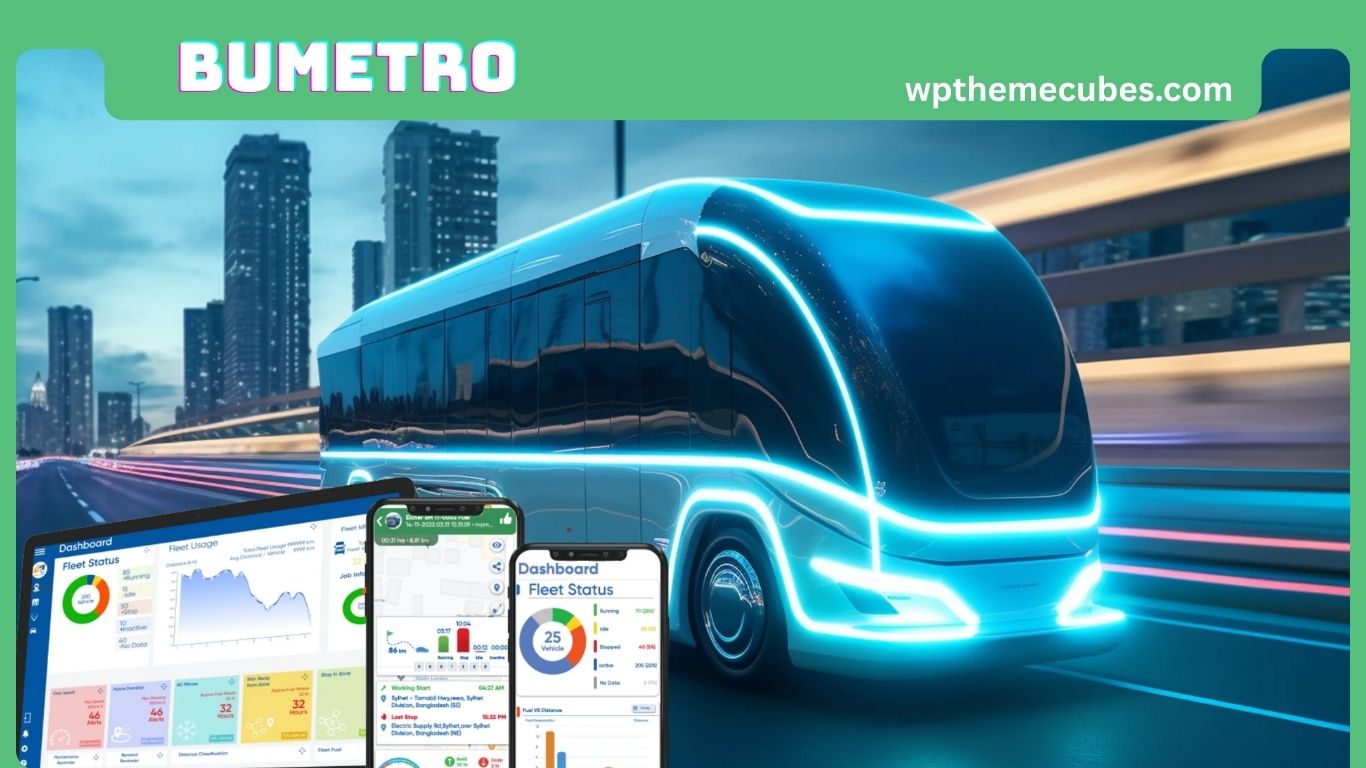
Bumetro is a modern mobility platform designed to bring buses, bikes, trains, and shared rides together into one easy-to-use experience. Instead of opening several transportation apps, travelers can use a single platform to plan, compare, and manage their journeys.
As cities become smarter and transportation networks continue to grow, platforms like Bumetro are becoming more important. They help people save time, reduce transportation costs, and make environmentally friendly travel choices.
In this complete guide, you’ll learn everything about Bumetro, including how it works, its key features, benefits, future potential, and why it could become one of the most valuable mobility platforms in the coming years.
What Is Bumetro?
Bumetro is a smart transportation platform that combines several travel options into one digital ecosystem.
Instead of searching for separate transportation providers, users can access different travel methods from one place. Whether someone wants to take a city bus, ride a shared bike, travel by train, or book a shared ride, Bumetro aims to simplify the entire process.
The idea behind Bumetro is called Mobility as a Service (MaaS).
Rather than owning transportation services itself, the platform connects different providers and helps users choose the most efficient route based on their needs.
For example, a traveler might:
- Ride a bike to the train station.
- Take a train downtown.
- Use a shared ride for the last mile.
Instead of planning each step separately, Bumetro can organize the complete journey.
This creates a smoother travel experience while reducing stress and saving valuable time.
Why Modern Cities Need Bumetro
Urban transportation has become increasingly complicated.
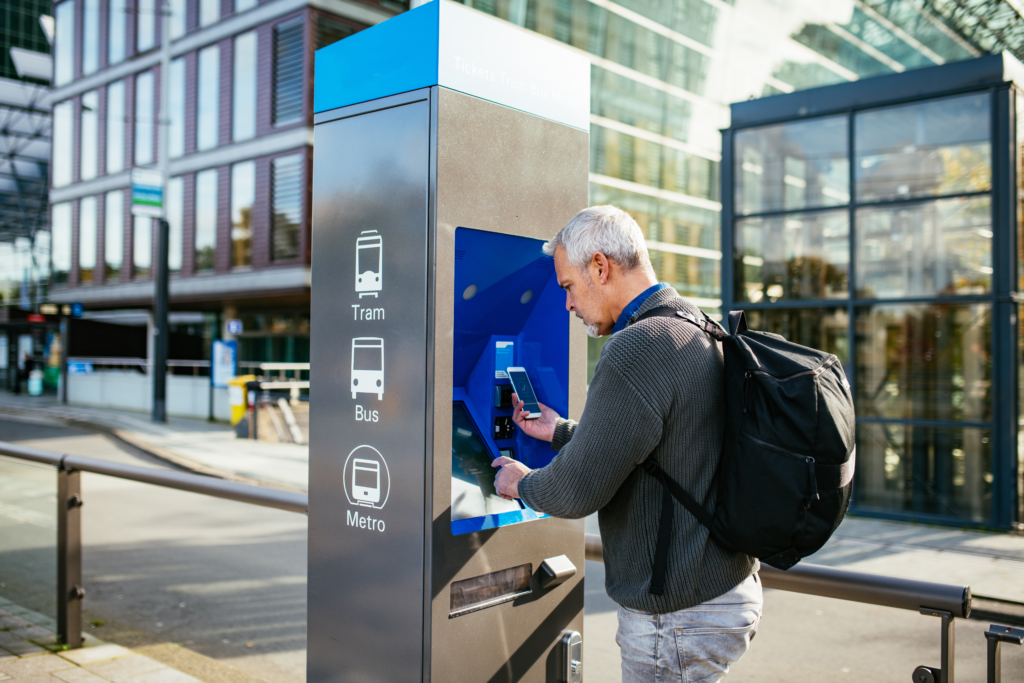
Large cities often have multiple transportation providers operating independently. People may use one app for buses, another for trains, and another for ride-sharing.
This creates several problems.
People often struggle with:
- Multiple accounts
- Different payment methods
- Confusing schedules
- Limited travel information
- Poor connection planning
- Unexpected delays
Bumetro solves these issues by creating a centralized mobility experience.
Instead of managing several services separately, travelers can view everything in one place.
This improves convenience while making public transportation more attractive.
How Bumetro Works
The concept behind Bumetro is surprisingly simple.
The platform gathers transportation information from different providers and presents it through one user-friendly interface.
A typical journey follows these steps.
Step 1: Enter Your Destination
Users enter their starting location and destination.
The platform immediately searches available transportation options.
Step 2: Compare Routes
Instead of showing only one option, Bumetro compares multiple travel methods.
For example:
- Bus only
- Train only
- Bike plus train
- Bus plus shared ride
- Bike plus bus
- Shared ride only
This gives travelers flexibility.
Step 3: View Real-Time Information
If supported by transportation providers, Bumetro can display:
Also Read:DigitalEdge.org: The Future of Digital Learning
- Live arrival times
- Traffic updates
- Service interruptions
- Vehicle locations
- Platform changes
- Estimated delays
Real-time information helps users make better travel decisions.
Step 4: Select Your Journey
Users simply choose the route that fits their schedule, budget, or travel preferences.
Step 5: Complete the Trip
The platform guides users throughout the journey, helping them move smoothly between different transportation methods.
Core Features of Bumetro
One reason Bumetro stands out is its focus on simplifying transportation instead of adding complexity.
Below are the platform’s most important features.
Unified Transportation Planning
Instead of planning every part of a trip separately, Bumetro combines everything into one complete journey.
This reduces confusion and improves travel efficiency.
Multi-Modal Travel
Modern transportation is no longer limited to one vehicle.
Bumetro supports multiple transportation methods, including:
- City buses
- Regional buses
- Metro systems
- Local trains
- High-speed rail
- Shared bicycles
- Electric bikes
- Scooter sharing
- Ride-sharing
- Carpooling
Users can combine these services within one travel plan.
Smart Route Suggestions
Bumetro does more than calculate the shortest distance.
It can also recommend routes based on:
- Lowest cost
- Fastest arrival
- Fewest transfers
- Least walking
- Lowest environmental impact
- Accessibility requirements
This personalized approach improves the overall user experience.
Real-Time Updates
Transportation changes quickly.
Traffic accidents, weather conditions, construction work, and delays can affect travel.
Bumetro helps users stay informed with real-time updates whenever supported by connected transportation providers.
This minimizes unexpected surprises.
Integrated Ticket Management
One of the biggest challenges in public transportation is purchasing different tickets.
Bumetro aims to simplify this process by bringing ticket management into one platform where supported by transit partners.
Instead of managing several payment systems, users may be able to handle everything through one account.
Journey History
Frequent travelers often repeat similar trips.
Bumetro can remember previous journeys and recommend them again.
This saves time during daily commuting.
Favorite Locations
Users can save commonly visited places such as:
- Home
- Office
- School
- Gym
- Airport
- Shopping center
This makes future trip planning much faster.
Personalized Notifications
Instead of constantly checking transportation schedules, users receive alerts about important travel updates.
Notifications may include:
- Delays
- Route changes
- Arrival reminders
- Platform updates
- Service disruptions
These alerts help travelers stay prepared.
Transportation Services Supported by Bumetro
The strength of Bumetro lies in its flexibility.
Rather than depending on one transportation method, it supports different travel options working together.
Bus Networks
Buses remain one of the most widely used public transportation systems.
Bumetro helps users:
- Find nearby bus stops
- Compare routes
- Check arrival times
- Plan transfers
- Reduce waiting time
This improves the daily commuting experience.
Train Services
Rail transportation plays a major role in urban and regional travel.
Bumetro simplifies train journeys by combining rail schedules with other transportation options.
Instead of treating trains as separate services, they become part of one continuous trip.
Bike Sharing
Cycling has become increasingly popular in modern cities.
Shared bicycles provide affordable transportation while supporting healthier lifestyles.
Bumetro helps users locate available bikes and integrate cycling into longer journeys.
For example:
Bike → Train → Walk
or
Bike → Bus → Office
This creates flexible travel options that reduce dependence on private vehicles.
Shared Ride Services
Not every destination is close to a bus stop or train station.
For these situations, Bumetro can include shared rides as part of the overall journey.
This is especially useful for solving the “last-mile” problem, where the final part of a trip is difficult to complete using public transportation alone.
Instead of replacing buses or trains, shared rides complement them.
This balanced approach makes travel more practical and convenient.
Micro-Mobility Options
Many modern cities now offer electric scooters and compact mobility solutions.
Bumetro can integrate these options into travel planning, allowing users to choose the quickest and most efficient combination based on distance, weather, and availability.
For short urban trips, micro-mobility often provides a faster alternative to driving through traffic.
Benefits of Using Bumetro
Bumetro is more than just another transportation app. Its biggest advantage is that it connects different travel services into one simple experience. This approach offers several benefits for both daily commuters and occasional travelers.
Saves Time
Time is valuable, especially during busy mornings and evening commutes.
Instead of checking several transportation apps, Bumetro allows users to compare multiple travel options in one place. This reduces planning time and helps users reach their destinations more efficiently.
For frequent travelers, even saving a few minutes every day can add up to many hours over a year.
Makes Travel Easier
Transportation systems can sometimes feel confusing.
A traveler may need to:
- Find a bus route
- Purchase a train ticket
- Locate a bike-sharing station
- Arrange transportation for the last mile
Managing each step separately can become frustrating.
Bumetro simplifies the entire process by presenting everything through one easy-to-understand platform.
Reduces Transportation Costs
One of Bumetro’s strengths is helping users compare transportation options before starting a journey.
For example, someone may discover that:
- Taking a bus and bike is cheaper than using a shared ride.
- A train provides the fastest value during rush hour.
- Walking a short distance saves money without adding much travel time.
Providing these comparisons helps users make smarter financial decisions.
Supports Sustainable Travel
Cities around the world are working to reduce traffic congestion and lower carbon emissions.
Bumetro encourages people to use environmentally friendly transportation by making public transit and shared mobility easier to access.
Instead of driving a private car for every trip, users can combine buses, trains, bicycles, and shared rides.
Small changes made by thousands of travelers can have a significant environmental impact.
Improves Daily Commuting
Many people travel the same route every weekday.
Bumetro can simplify these repetitive trips by remembering previous journeys and offering faster planning.
Instead of entering the same destination every morning, commuters can quickly access their favorite routes.
Better Decision Making
Having more transportation choices allows users to make decisions based on what matters most.
Some travelers prioritize:
- Speed
- Cost
- Comfort
- Environmental impact
- Accessibility
Bumetro helps people compare these factors before choosing a route.
Who Can Benefit from Bumetro?
Bumetro is designed for a wide variety of users.
Daily Commuters
Employees who travel to work every day benefit from faster route planning, real-time updates, and reduced commuting stress.
Students
Students often rely on affordable public transportation.
Bumetro makes it easier to combine buses, trains, and shared bikes while staying within a budget.
Tourists
Visitors usually don’t know a city’s transportation system.
Instead of learning several local transit apps, they can use one platform to understand available travel options.
This improves the travel experience while reducing confusion.
Business Travelers
Professionals attending meetings in unfamiliar cities need reliable transportation.
Bumetro can help them reach destinations efficiently while adapting to changing schedules.
Senior Citizens
Simple navigation, clear route information, and fewer complicated transfers make Bumetro useful for older adults.
Accessibility-focused features can further improve the experience.
People Without Cars
Many urban residents choose not to own a car.
For these users, Bumetro becomes an essential tool for managing daily transportation.
How Bumetro Supports Smart Cities
Smart cities use technology to improve urban life.
Transportation is one of the most important parts of this transformation.
Bumetro fits naturally into the smart city concept because it helps connect different transportation systems through digital technology.
Instead of operating independently, buses, trains, bikes, and shared rides become part of one connected mobility network.
This creates benefits for both travelers and city planners.
Some potential advantages include:
- Reduced traffic congestion
- Better use of public transportation
- Lower pollution
- Improved transportation planning
- More efficient resource management
As cities continue investing in digital infrastructure, platforms like Bumetro could become central to urban mobility.
The Role of Artificial Intelligence in Bumetro
Artificial Intelligence (AI) is transforming transportation around the world.
While the exact AI capabilities available in Bumetro may depend on its implementation and partnerships, modern mobility platforms commonly use AI to improve the travel experience.
Possible applications include:
Smart Route Optimization
AI can analyze traffic conditions, weather, and transportation schedules to recommend efficient routes.
Predicting Delays
Machine learning can identify travel patterns and estimate possible delays before they happen.
This helps travelers prepare for unexpected changes.
Personalized Recommendations
As users continue using Bumetro, AI may learn travel habits.
For example:
- Preferred departure times
- Favorite transportation methods
- Frequently visited locations
- Budget preferences
The platform can then provide more personalized recommendations.
Demand Forecasting
Transportation providers can better understand passenger demand by analyzing anonymous travel trends.
This may help improve scheduling and reduce overcrowding during peak hours.
Bumetro and Environmental Sustainability
Transportation accounts for a significant share of urban carbon emissions.
Reducing private car usage is one of the most effective ways to improve city sustainability.
Bumetro supports greener transportation by encouraging people to choose:
- Public buses
- Rail systems
- Shared bicycles
- Walking
- Ride-sharing
When these options become easier to access, more people are willing to use them.
Even small changes can reduce:
- Fuel consumption
- Air pollution
- Noise pollution
- Traffic congestion
This creates healthier cities for everyone.
Privacy and Data Security
Transportation platforms collect information such as trip history, saved locations, and account details.
For users to trust a platform like Bumetro, strong privacy and security practices are essential.
A reliable mobility platform should focus on:
- Secure user authentication
- Encrypted data transmission
- Responsible data collection
- Clear privacy policies
- User control over personal information
Building trust is just as important as building technology.
Challenges Bumetro May Face
Although Bumetro offers many advantages, creating a unified transportation platform is not without challenges.
Integration with Multiple Providers
Every transportation company uses different systems.
Connecting buses, trains, bikes, and ride-sharing providers requires strong partnerships and technical compatibility.
Real-Time Data Accuracy
Travelers depend on accurate arrival times and service updates.
Maintaining reliable real-time information requires continuous coordination between providers.
Regional Availability
Transportation services vary from city to city.
Some locations may offer many travel options, while others have limited public transportation.
As a result, the Bumetro experience may differ depending on the region.
User Adoption
Many people are already familiar with existing transportation apps.
Encouraging users to switch to a unified platform requires demonstrating clear value and convenience.
Bumetro Compared with Traditional Transportation Apps
Unlike apps that focus on only one type of transportation, Bumetro aims to provide a broader mobility experience.
| Feature | Traditional Transit App | Bumetro |
| Bus Routes | Yes | Yes |
| Train Routes | Sometimes | Yes |
| Bike Sharing | Usually No | Yes |
| Shared Rides | Limited | Yes |
| Multi-Modal Trips | Limited | Yes |
| Unified Planning | Rare | Yes |
| Smart Recommendations | Basic | Advanced |
| Sustainable Route Options | Limited | Strong Focus |
This integrated approach is one of Bumetro’s biggest strengths.
Future of Bumetro
The future of transportation is becoming increasingly connected.
Also Read:TrendyWinner Com: The Trending Topics, Website Reviews, and Online Insights
Over the next decade, mobility platforms like Bumetro may include even more advanced features, such as:
- AI-powered travel assistants
- Voice-controlled trip planning
- Smart wearable integration
- Autonomous vehicle support
- Digital identity verification
- Contactless payments
- Carbon footprint tracking
- Predictive travel alerts
- Smart parking integration
- Electric vehicle charging information
As transportation technology evolves, platforms that combine multiple services into one ecosystem will likely become more valuable.
Rather than replacing existing transportation providers, Bumetro has the potential to bring them together in a way that improves convenience for everyone.
Expert Analysis: Why Bumetro Represents the Future of Urban Mobility
The biggest challenge in transportation today is not the lack of travel options. Most cities already have buses, trains, taxis, bicycles, and ride-sharing services.
The real challenge is fragmentation.
When travelers must manage several apps, payment methods, and schedules, the transportation experience becomes more complicated than necessary.
This is where Bumetro offers a meaningful solution.
Its greatest value lies in simplifying complexity.
Instead of building another transportation service, Bumetro focuses on connecting existing services into one user-friendly platform.
If supported by strong partnerships, accurate real-time data, and continuous innovation, Bumetro could become an important part of future smart city transportation systems.
This user-first approach aligns with the growing global trend toward Mobility as a Service (MaaS), where convenience, flexibility, and sustainability are equally important.
Frequently Asked Questions About Bumetro
Is Bumetro a transportation company?
No. Bumetro is designed as a mobility platform that brings together multiple transportation services into one experience rather than operating buses or trains itself.
Can Bumetro help reduce commuting time?
Yes. By comparing different transportation options and suggesting efficient routes, Bumetro can help users make faster travel decisions.
Does Bumetro only support public transportation?
No. It is designed to include buses, trains, shared bikes, and shared ride services where available.
Is Bumetro suitable for tourists?
Yes. Tourists can use Bumetro to understand local transportation options without needing multiple travel apps.
Can Bumetro promote sustainable transportation?
Yes. By making public transportation and shared mobility easier to use, Bumetro encourages environmentally friendly travel choices.
Does Bumetro require internet access?
Most real-time transportation features would typically require an internet connection, although some saved information may remain accessible offline depending on future platform capabilities.
Can Bumetro help businesses?
Yes. Companies with employees who travel frequently may benefit from simplified transportation planning.
Conclusion
Bumetro represents a modern vision for transportation by bringing buses, trains, bikes, and shared rides together in one unified platform. Instead of forcing travelers to navigate multiple apps and disconnected services, it focuses on creating a seamless journey from start to finish.
For commuters, students, tourists, and professionals, this means simpler trip planning, smarter route choices, and greater flexibility. For cities, it supports goals such as reducing congestion, encouraging public transit, and promoting more sustainable mobility.
As digital infrastructure and smart city initiatives continue to grow, integrated mobility platforms are likely to play an increasingly important role in everyday transportation. With its emphasis on convenience, connectivity, and user experience, Bumetro has the potential to become a valuable solution for the future of urban travel.